Learn how to tighten a loose kitchen faucet base with our helpful articles. Fix the problem yourself and save money on repairs.
(Many of the links in this article redirect to a specific reviewed product. Your purchase of these products through affiliate links helps to generate commission for , at no extra cost. Learn more)

Having a loose kitchen faucet base can be frustrating and even potentially damaging if left unfixed. A wobbly faucet not only affects the overall function and efficiency of your sink, but it can also lead to leaks, water damage, and even costly repairs down the line. However, tightening a loose kitchen faucet base is a relatively simple task that can be done with a few basic tools and a little bit of know-how. In this article, we will guide you through the step-by-step process of tightening a loose kitchen faucet base, ensuring a secure and stable fixture in your kitchen.
How To Fix A Loose Faucet
Before we dive into the details, it is important to understand the different types of kitchen faucets and their installation methods. The most common types of kitchen faucets include single-handle faucets, double-handle faucets, and pull-out or pull-down faucets. Each type has its own unique design and mechanism, which may slightly vary in the process of tightening the base. However, the general principles remain the same.
Whether you are a seasoned DIY enthusiast or a beginner in home repairs, tightening a loose kitchen faucet base is a task that you can easily accomplish on your own. It not only saves you time and money from hiring a professional, but it also gives you a sense of accomplishment and empowerment as a homeowner. So, let’s roll up our sleeves and get started on tightening that loose kitchen faucet base!
Before you embark on tightening the loose kitchen faucet base, it is essential to gather all the necessary tools. Having the right tools at hand will ensure a smooth and efficient process. Here are the tools you will need:
Solve Your Tap Problem
An adjustable wrench is a versatile tool that allows you to grip and turn various sizes of nuts and bolts. It is essential for loosening and tightening nuts on the faucet base. Make sure to choose an adjustable wrench that fits comfortably in your hand and can adjust to different sizes.
A Phillips head screwdriver is needed to access and remove the handle of the kitchen faucet. Most handles are attached with screws, and a Phillips head screwdriver is the appropriate tool for this task.
Plumber’s tape, also known as Teflon tape, is a thin white tape that is used to create a watertight seal on threaded fittings. It is useful for preventing leaks when reconnecting the faucet handle or any other threaded connections.
Leaking Kitchen Faucet
Penetrating oil may be required if the faucet base is stubbornly stuck or corroded. Applying the oil to the connection can help loosen the grip and make it easier to turn and tighten the base.
Lastly, have a cloth or towel handy to wipe any excess water, dirt, or debris that may be present around the faucet area. This will ensure a clean and dry workspace, making it easier to access and work on the loose base.
Once you have gathered all the necessary tools, you are ready to move on to the next step. By being prepared, you can work efficiently and effectively without any interruptions.
Fix A Leaking Kitchen Faucet
Before you start working on tightening the loose kitchen faucet base, it is important to prepare the workspace. Creating an organized and clean workspace will not only make the task easier but also help prevent any accidental damage or loss of small parts. Follow these steps to prepare your workspace:
By taking a few minutes to prepare your workspace, you can create an organized and safe environment for working on your loose kitchen faucet base. This will make the task more efficient and help prevent any accidental damage to your sink or countertop.
Before you can tighten the loose kitchen faucet base, you need to identify the exact location of the looseness. This will help you determine the best approach to fix the issue. Follow these steps to locate the loose base:
How To Change A Kitchen Tap: The Complete Guide
By following these steps, you can pinpoint the exact location of the loose kitchen faucet base. Once you have identified the problem area, you can move on to the next step of tightening the base and ensuring a stable and secure faucet.

Before you begin working on tightening the loose kitchen faucet base, it is crucial to turn off the water supply to prevent any potential water damage or leaks. Here’s how you can turn off the water supply:
By turning off the water supply, you eliminate the risk of water leaking or spraying while working on the loose base. This step is crucial to protect your kitchen from potential water damage and to ensure a safe working environment. With the water supply turned off, you can proceed with confidence to the next step of tightening the loose kitchen faucet base.
Utysty 3 Set Faucet Mounting Nut And Washer Double Hole Bracket Fastener Anti Loosening Fixing Kit Gasket Lock Nuts Bolt For Kitchen Basin Tap Bathroom Sink Replacement Repair Parts Accessories: Amazon.com: Tools &
Removing the handle allows you to access the base of the faucet and properly tighten it. Make sure to handle the handle and screw with care to prevent any damage. With the handle removed, you are ready to move on to the next step of tightening the loose kitchen faucet base.
Use a wrench to tighten the mounting nut underneath the sink. If the nut is hard to reach, use a basin wrench for better access. Check for any leaks after tightening.
Now that you have removed the handle, you can proceed to tighten the loose kitchen faucet base. Follow these steps to ensure a secure and stable base:
How To Change A Kitchen Tap
If you notice that the base is still loose, you may need to tighten other nuts or connections beneath the sink. Check for any additional locknuts or fasteners that may be causing the looseness and tighten them accordingly. It may be helpful to refer to the manufacturer’s instructions for specific details on your faucet model.
Remember to use caution and not overtighten any components, as this can damage the faucet or its plumbing connections. If you are unsure about how much force to apply or encounter any difficulties, it is recommended to seek professional assistance.

Once you are satisfied with the tightness of the base, you can proceed to the next step of testing the faucet to ensure its proper functionality.
Tightening Bolt For Taps
After tightening the loose kitchen faucet base, it’s essential to test the faucet to ensure that it is functioning properly. Here’s how you can test the faucet:
If everything appears to be in order during the testing phase, congratulations! You have successfully tightened the loose kitchen faucet base, and the faucet is now secure and functioning properly.
However, if you experience any issues or notice persistent leaks or abnormalities, it may be necessary to seek professional help or consult the manufacturer’s instructions for troubleshooting specific to your faucet model.
How To Tighten A Loose Kitchen Faucet Base
Once you have completed the testing and are satisfied with the faucet’s performance, you can proceed to the final steps of reassembling the handle and restoring the water supply.
After successfully testing the faucet and ensuring its proper functionality, you can now proceed to reassemble the handle. Here’s how you can do it:
Reassembling the handle is an important step to complete the tightening process. Ensure that everything is properly aligned and tightened to prevent any future issues with the faucet. If you encounter any difficulties during the reassembly process or notice any issues with the handle or screw, consult the manufacturer’s instructions or seek professional assistance if necessary.
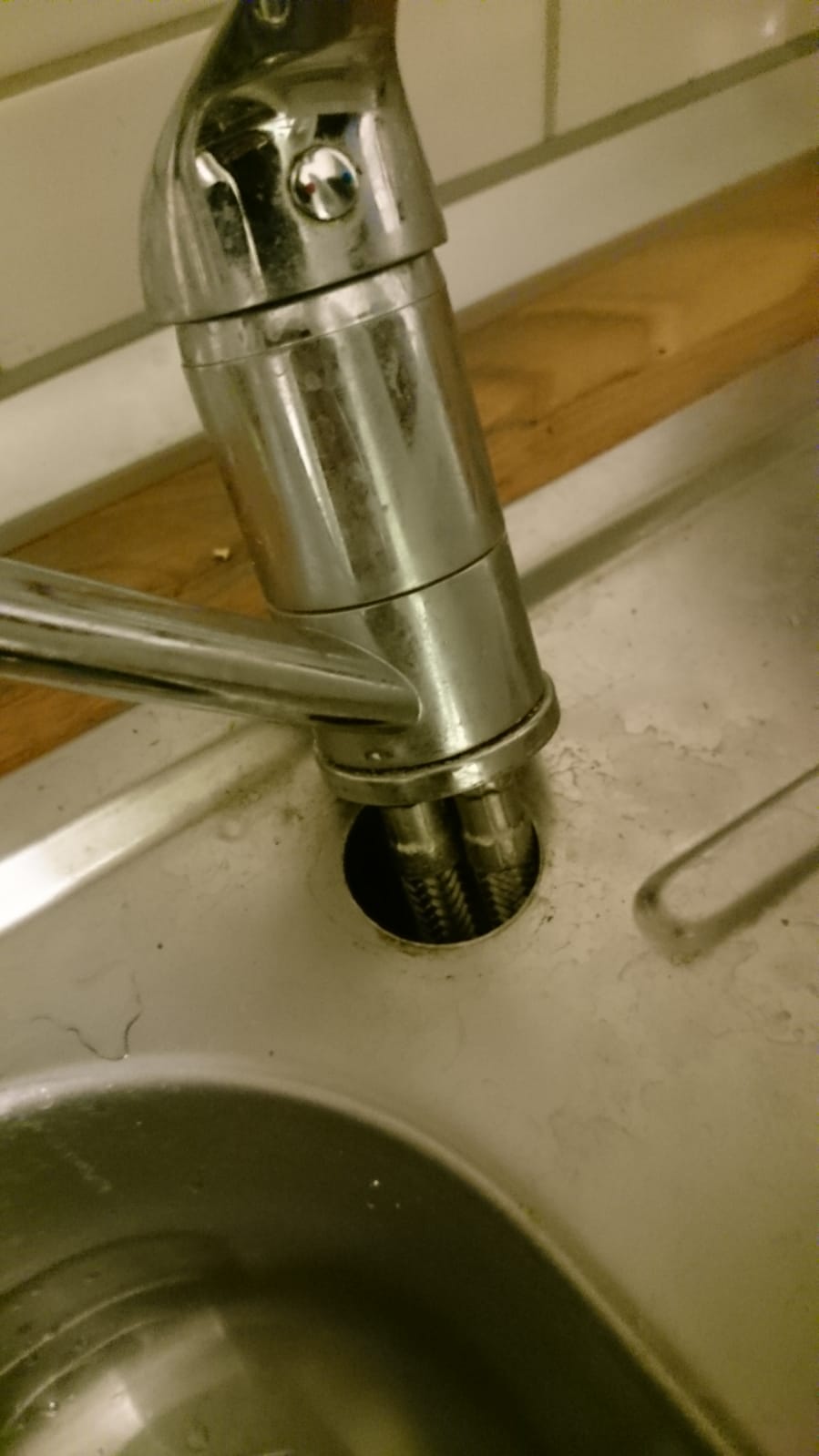
How To Tighten A Kitchen Faucet 3 Easy Steps (2024)
Once you have successfully reassembled the handle and tested the faucet, you are ready to proceed to the final step of restoring the water supply.
Now that you have completed the tightening and reassembling process, it’s time to restore the water supply to your kitchen faucet. Here’s how you can do it:
Restoring the water supply is the final step in completing the process of tightening a loose kitchen faucet base. By opening the shut-off valves and running the faucet, you can ensure that water is flowing properly and there are no leaks.
How To Fix A Leaky Single Handle Disk Faucet
If you notice any persistent leaks, irregularities in water flow, or any other issues, it may be necessary to seek professional assistance to address the problem. It’s important to ensure the proper functioning of your kitchen faucet to avoid water damage and maintain the efficiency of your plumbing system.
Congratulations! You have successfully tightened the loose kitchen faucet base and restored the water supply. Enjoy the securely fixed and properly functioning faucet in your kitchen.
Tightening a loose kitchen faucet base is an essential maintenance task that can prevent further damage, leaks, and costly repairs. By following the step-by-step process outlined in this article, you can easily restore stability and functionality to your kitchen faucet.
Loose Lever On Kitchen Mixer Tap. Any Advice?
Remember to gather the necessary tools, prepare your workspace, and locate the loose base before starting the tightening process. By turning off the water supply and removing the handle, you can access and tighten the base securely. Reassembling the handle and carefully testing the faucet ensures that everything is functioning properly.

Throughout the process, be attentive to any signs of leaks, unusual noises, or resistance. Take

0 Comments
Posting Komentar